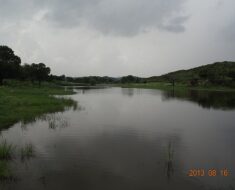
Nestled in the breathtaking cold deserts of Ladakh, Hemis National Park is the largest national park in India covering more than 4,400 square kilometers. Famous for its snow leopards, rugged Himalayan landscapes, ancient monasteries, and rare wildlife, the park is one of India’s most extraordinary natural wonders.
Established in 1981, Hemis National Park attracts wildlife enthusiasts, trekkers, photographers, birdwatchers, and adventure seekers from around the world. From dramatic mountain valleys and high-altitude deserts to thrilling trekking routes and rich Tibetan Buddhist culture, Hemis offers a truly unforgettable Himalayan experience.
Nestled in the breathtaking cold deserts of Ladakh, Hemis National Park is the largest national park in India covering more than 4,400 square kilometers. Famous for its snow leopards, rugged Himalayan landscapes, ancient monasteries, and rare wildlife, the park is one of India’s most extraordinary natural wonders.
Established in 1981, Hemis National Park attracts wildlife enthusiasts, trekkers, photographers, birdwatchers, and adventure seekers from around the world. From dramatic mountain valleys and high-altitude deserts to thrilling trekking routes and rich Tibetan Buddhist culture, Hemis offers a truly unforgettable Himalayan experience.
Last Updated: May 2026
Quick Facts About Hemis National Park
| Detail | Information |
|---|---|
| Location | Ladakh, India |
| Area | 4,400 sq km |
| Established | 1981 |
| Famous For | Snow Leopards |
| Best Time to Visit | May to October |
| Nearest City | Leh |
| Landscape | Cold Desert & Himalayan Mountains |
Why Is Hemis National Park Famous?
Hemis National Park is best known as one of the finest places in the world to spot the elusive snow leopard in its natural habitat. Due to its remote high-altitude terrain and sparse population, the park has become a safe haven for several endangered Himalayan species.
The national park is also famous for:
- breathtaking cold desert landscapes,
- snow-covered mountain ranges,
- rich Himalayan biodiversity,
- birdwatching opportunities,
- trekking routes,
- Tibetan Buddhist monasteries,
- and adventure tourism.
The untouched beauty and rugged wilderness of Hemis make it one of the most unique wildlife destinations in India.
History of Hemis National Park
Hemis National Park was established in 1981 by protecting the Rumbak and Markha catchment areas of Ladakh. Initially, the park covered an area of around 600 square kilometers.
In 1988, the park area was expanded to 3,350 square kilometers and finally increased to 4,400 square kilometers in 1990 by incorporating neighboring lands, making it the largest national park in India.
The park was named after the famous Hemis Monastery, a historic Buddhist monastery founded in 1630 by Lama Tagstang. The monastery remains one of the most important spiritual centers in Ladakh and attracts thousands of pilgrims every year.
Geography and Landscape of Hemis National Park
Hemis National Park is located in the eastern part of Ladakh and is surrounded by some of the most dramatic landscapes in the Himalayas.
The park lies south of the Indus River and includes the catchment areas of:
- Markha Valley,
- Rumbak Valley,
- Sumdah region,
- and parts of the Zanskar Range.
The region is a rain shadow area of the Himalayas and receives very little rainfall throughout the year. The landscape is dominated by:
- barren mountains,
- rocky valleys,
- glaciers,
- alpine meadows,
- and cold desert terrain.
The breathtaking scenery of Hemis National Park makes it a paradise for photographers and nature lovers.
Explore more Indian superlatives here: Largest Longest Highest in India
Flora and Fauna

Wildlife in Hemis National Park
Hemis National Park is famous for its rich wildlife diversity and is home to several rare Himalayan animals. The park is particularly known for its sizeable population of snow leopards, especially in the Rumbak region.
The best season for spotting snow leopards is during late winter when the animals descend to lower altitudes.
Some of the major mammal species found in Hemis National Park include:
- Snow Leopard
- Tibetan Wolf
- Eurasian Brown Bear
- Red Fox
- Bharal (Blue Sheep)
- Argali (Great Tibetan Sheep)
- Shapu (Ladakhi Urial)
- Himalayan Marmot
- Mountain Weasel
- Himalayan Mouse Hare
The national park currently supports around 16 mammal species.
Bird Species in Hemis National Park
Hemis National Park is also one of the finest birdwatching destinations in India. More than 73 bird species have been recorded in the region.
Some of the major bird species found here include:
- Golden Eagle
- Lammergeier Vulture
- Himalayan Griffon Vulture
- Himalayan Snowcock
- Fire-fronted Serin
- Brown Accentor
- Robin Accentor
- Streaked Rosefinch
- Black-winged Snow Finch
The Rumbak Valley is especially famous for several rare Tibetan bird species that are not commonly found in other parts of India.
Vegetation and Plant Life
Despite its harsh climatic conditions, Hemis National Park supports unique Himalayan vegetation.
The park is home to:
- alpine shrubs,
- steppe vegetation,
- juniper forests,
- Populus-Salix forests,
- and subalpine birch-fir forests.
Many rare and endangered medicinal plants are also found in the region.
Best Time to Visit
The best time to visit Hemis National Park is between May and October when the weather remains pleasant and most trekking routes remain accessible.
| Season | Experience |
|---|---|
| May – October | Trekking, sightseeing, wildlife |
| November – February | Snow leopard spotting |
| Monsoon | Very little rainfall |
Late winter is considered the best time for snow leopard sightings.
💡 Travel Tips: Top 12 Tourist Places to Visit in Ladakh
Things to Do
Snow Leopard Safari
Hemis National Park is one of the best places in the world for snow leopard tracking and wildlife photography.
Trekking in Hemis National Park
The park offers several famous trekking routes including:
- Markha Valley Trek
- Spituk to Stok Trek
- Ganda La Pass Trek
These treks offer spectacular views of Himalayan valleys, monasteries, rivers, and mountain passes.
Birdwatching
Birdwatching enthusiasts can spot several rare Himalayan and Tibetan bird species in the park.
Mountaineering Expeditions
Hemis National Park is also famous for mountaineering and adventure expeditions.
Two popular peaks include:
- Stok Kangri Peak (6,153 meters)
- Kang Yatse Peak (6,496 meters)
These peaks attract climbers and adventure seekers from around the world.
Cultural Importance of Hemis National Park

Hemis National Park is not only rich in natural beauty but also holds immense cultural and spiritual significance.
The region is home to several Tibetan Buddhist gompas and chortens. The historic Hemis Monastery, over 400 years old, is one of the most important Buddhist monasteries in Ladakh.
Every summer, the famous Hemis Festival (Hemis Tsechu) is celebrated here with great enthusiasm. The festival attracts thousands of pilgrims and tourists who come to witness colorful masked dances and traditional Buddhist rituals.
More than 1,600 people currently live within the park region.
How to Reach
Hemis National Park is located in the Ladakh region of northern India and can be reached through air, road, and rail connectivity via Leh.
By Air
The nearest airport to Hemis National Park is Kushok Bakula Rimpochee Airport (Leh Airport), located around 40 km from the park. Regular flights connect Leh with major Indian cities such as Delhi, Mumbai, and Srinagar.
By Road
Leh is well connected by road with major Himalayan routes during the summer season.
- Srinagar–Leh Highway – Open between May and November
- Manali–Leh Highway – One of the most scenic road journeys in India
From Leh, tourists can hire taxis or local transport to reach Hemis National Park.
By Rail
The nearest major railway station is Jammu Tawi Railway Station in Jammu. From Jammu, travelers can continue their journey to Leh by road or flight.
Travel Tips for Visiting Hemis National Park
- Carry warm clothing even during summer.
- Acclimatize properly before trekking due to high altitude.
- Respect local Buddhist culture and monasteries.
- Carry trekking essentials and medicines.
- Hire local guides for wildlife tracking and treks.
Interesting Facts About Hemis National Park
- Hemis National Park is the largest national park in India.
- It is one of the best snow leopard habitats in the world.
- The park lies in the rain shadow region of the Himalayas.
- Hemis Monastery inside the park is over 400 years old.
- The park is famous for high-altitude cold desert ecosystems.
💡 Travel Guide: Top 10 Best Places to Visit in Srinagar
National Parks in India
India has 106 existing national parks covering an area of 44,372.42 km2 which is 1.35% of the geographical area of the country (National Wildlife Database, May. 2022).
In addition to the above 75 National Parks covering an area of 16,608 km2 are proposed in the Protected Area Network Report.
Once the above report is fully implemented the no of national parks will be 181 in the country.
List of Top 10 Largest National Parks in India
| S.No | National Park | State/UT | Area(Km2) |
|---|---|---|---|
| 1 | Hemis National Park | Ladakh | 4400 |
| 2 | Desert National Park | Rajasthan | 3162 |
| 3 | Simlipal National Park | Odisha | 2750 |
| 4 | Gangotri National Park | Uttarakhand | 2390 |
| 5 | Namdapha National Park | Arunachal Pradesh | 1985 |
| 6 | Khangchendzonga National Park | Sikkim | 1784 |
| 7 | Bandhavgarh National Park | Madhya Pradesh | 1536 |
| 8 | Gir Forest National Park | Gujarat | 1412 |
| 9 | Ranthambore National Park | Rajasthan | 1334 |
| 10 | Sundarbans National Park | West Bengal | 1330 |
Frequently Asked Questions
Which is the largest national park in India?
Hemis National Park in Ladakh is the largest national park in India.
Why is Hemis National Park famous?
The park is famous for snow leopards, Himalayan wildlife, trekking routes, and breathtaking cold desert landscapes.
What is the best time to visit Hemis National Park?
The best time to visit is from May to October, while winter is ideal for snow leopard spotting.
Can tourists visit Hemis National Park?
Yes, tourists can visit the park for trekking, wildlife photography, birdwatching, and cultural tourism.
Where is Hemis National Park located?
Hemis National Park is located in the Union Territory of Ladakh in northern India.