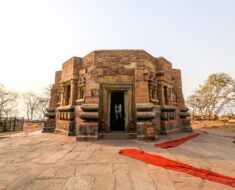
Rising dramatically above the blue city of Jodhpur, Mehrangarh Fort is one of the most breathtaking forts in India. Perched on a rocky hill nearly 120 meters above the city, the massive fortress dominates the desert skyline of Rajasthan with its towering walls, grand palaces, hidden courtyards, and centuries-old legends.
Built by the Rathore Rajputs over 500 years ago, Mehrangarh Fort is more than just a historical monument — it is a living symbol of Rajasthan’s royal heritage, architectural brilliance, and warrior history. From intricately decorated palaces and royal museums to ancient temples, folk performances, and panoramic city views, the fort offers an unforgettable glimpse into India’s majestic past.
As author Rudyard Kipling famously described it:
A palace that might have been built by Titans and coloured by the morning sun
It doesn’t matter whether you are a history buff, a lover of traditional culture & cuisine, an admirer of classical architecture and craftsmanship or a simple traveller looking to explore something new, the fort has a little something for everyone.
Last Updated: May 2026
Quick Facts About Mehrangarh Fort
| Quick Facts | Details |
|---|---|
| Location | Jodhpur, Rajasthan |
| Built By | Rao Jodha |
| Built In | 1459 |
| Elevation | 120 meters above Jodhpur |
| Famous For | Rajput architecture & Blue City views |
| Best Time to Visit | October to March |
Why Is Mehrangarh Fort Famous?
Mehrangarh Fort is famous for:
- its massive hilltop location,
- stunning Rajput architecture,
- intricate palace interiors,
- panoramic views of Jodhpur’s Blue City,
- ancient legends and royal history,
- and one of the finest museum collections in Rajasthan.
The fort is also considered one of the best-preserved forts in India and has appeared in several Hollywood and Bollywood films over the years.
The History Behind Mehrangarh Fort
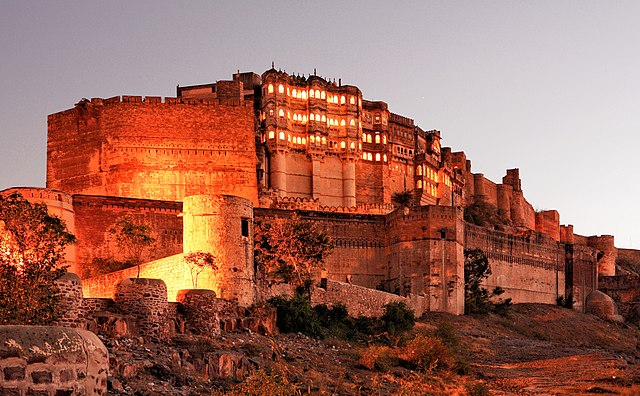
Rising dramatically above the Blue City of Jodhpur, Mehrangarh Fort is one of the largest and most magnificent forts in India. Built atop the rocky Bahuchiriya Hill, the massive fortress towers nearly 120 meters above the surrounding plains and dominates the skyline of Rajasthan’s desert city.
The foundation of the fort was laid in 1459 by Rao Jodha, the powerful Rajput ruler and founder of Jodhpur from the Rathore clan. Over the centuries, several rulers expanded the fort with grand palaces, courtyards, temples, and defensive walls, transforming it into one of Rajasthan’s most impressive royal complexes.
Interestingly, the original name of the fort was Mihirgarh, which translates to “Fort of the Sun” in Sanskrit. Over time, due to local pronunciation and dialects, the name gradually evolved into the now-famous Mehrangarh.
Spread across more than 1,200 acres, the fort is not only a symbol of Rajput bravery and architectural brilliance but also a living reminder of Rajasthan’s rich royal heritage
Architecture and Design of the Fort
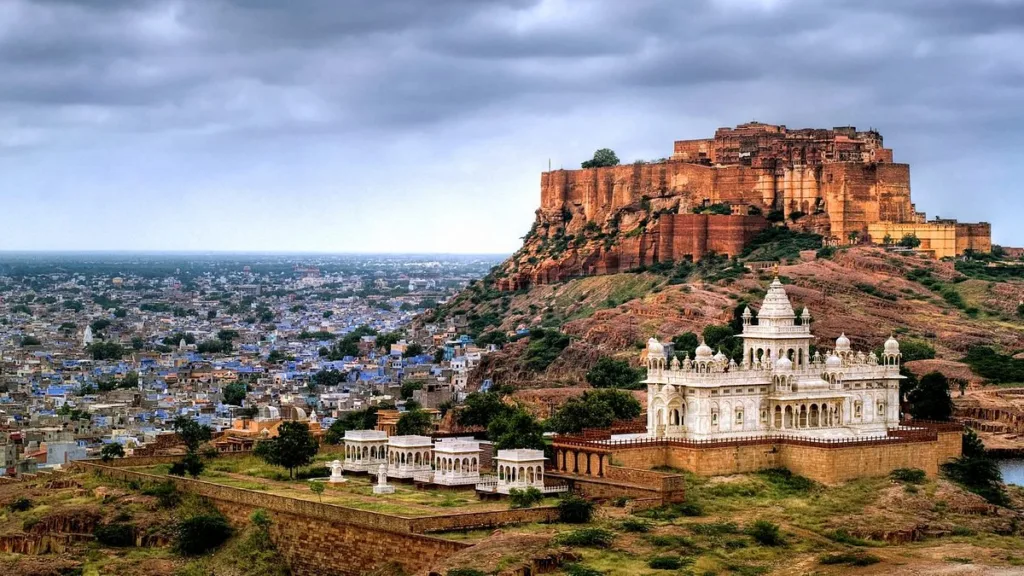
Mehrangarh Fort is renowned for its massive defensive walls, intricate palaces, and impressive Rajput architecture. Rising high above the city of Jodhpur, the fort’s towering sandstone walls reach up to 35 meters in height and nearly 20 meters in width, helping the fortress withstand numerous invasions and battles over the centuries.
The fort complex is a remarkable blend of strength and artistic brilliance, featuring grand courtyards, beautifully carved balconies, latticed windows, and richly decorated royal chambers.
The Seven Historic Gates of Mehrangarh Fort
Visitors enter the fort through a series of seven massive gates, locally known as Pols. Many of these gates were built to commemorate military victories and still bear marks from historic cannonball attacks and battles.
Important Gates of the Fort
- Jai Pol – Built to celebrate victory over Jaipur and Bikaner in 1806
- Fateh Pol – Constructed after victory over the Mughals in 1707
- Gopal Pol – One of the main internal gates of the fort
- Dedh Kangra Pol – Still bears marks of cannonball attacks from the Jaipur army
- Amruti Pol – Located between Dedh Kangra Pol and Loha Pol
- Loha Pol – The final gate leading into the main fort complex
- Suraj Pol – The innermost gate leading toward the royal palaces
As visitors walk through these ancient gateways, the fort gradually reveals its magnificent palaces, museums, temples, and royal courtyards.
Read More: 15 Famous Historical Places in Rajasthan
Palaces Inside Mehrangarh Fort
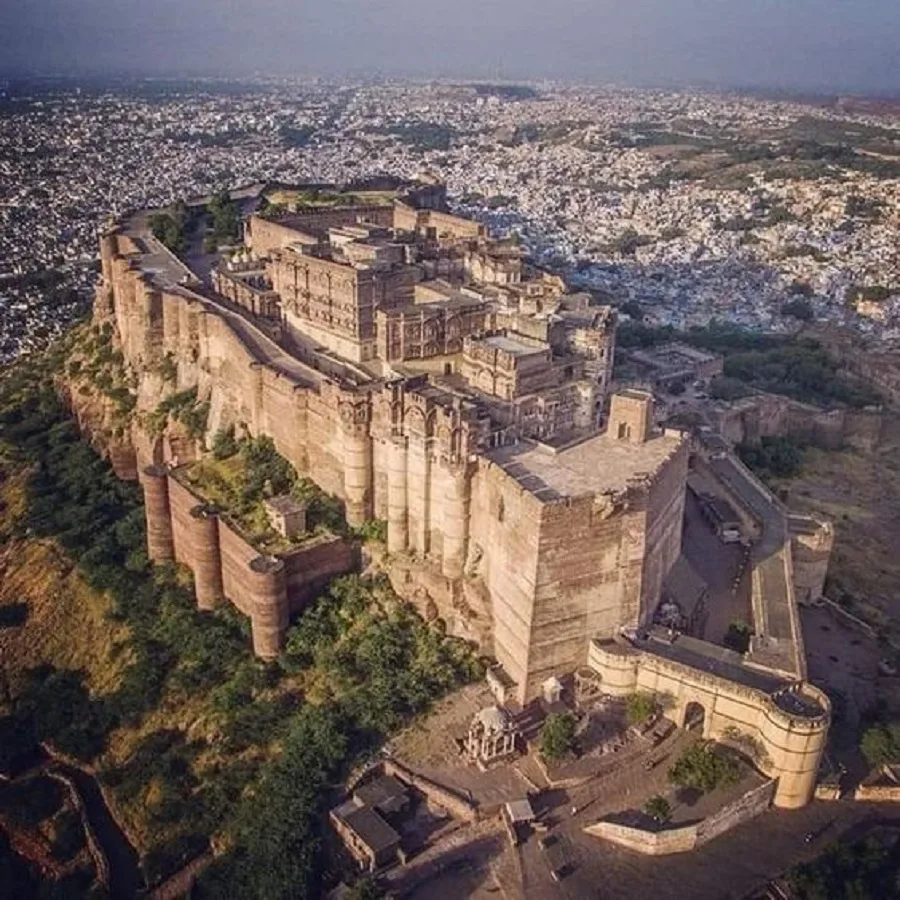
Mehrangarh Fort houses several magnificent palaces known for their exquisite interiors, mirror work, paintings, and royal decorations. These palaces provide a fascinating glimpse into the luxurious lifestyle of Rajasthan’s Rajput rulers.
Moti Mahal
The Moti Mahal also known as the Pearl Palace is the largest room of the Mehrangarh Palace adorned with a stunning ceiling made of finely carved stones and decorated with gold leaf, sea shells, mirrors, and coloured window glasses. It was built during the reign of Sawai Raja Sur Singh.
There are five alcoves in this room which lead to hidden balconies, and it is believed that the queens of the Raja sat there and listened to court proceedings, without being seen by other people.
Phool Mahal
The Phool Mahal or the Palace of Flowers was built by Maharaja Abhay Singh as a private chamber for the Maharajas and is embellished with intricate mirror work, colourful glass mosaics, and lavish gold leaf decorations.
Sheesh Mahal

The Sheesh Mahal or the Palace of Mirrors was once part of the private apartment of Maharaja Ajit Singh and used as residential quarters by the Maharajas of Jodhpur. It is intricately decorated with glasswork and the walls have paintings of various scenes from Indian mythology.
Takhat Vilas
The Takhat Vilas also known as Maharaja Takhat Singh’s Chamber was his residence during his reign. He was the last ruler of Jodhpur to reside in the Mehrangarh Fort and was a great patron of the arts, and the room is decorated from ceiling to floor with paintings.
Jhanki Mahal
Jhanki Mahal was built for the queens and princesses of Jodhpur. The palace contains a remarkable collection of royal cradles decorated with mirrors, birds, elephants, and intricate carvings.
Its latticed windows allowed royal women to observe ceremonies and daily life outside the palace without being seen by the public.
Read More: Hill Forts of Rajasthan – UNESCO World Heritage Sites
Mehrangarh Museum Galleries
The museum galleries inside Mehrangarh Fort showcase an extraordinary collection of royal artefacts, weapons, textiles, paintings, and decorative items from Rajasthan’s royal past.
Some of the major attractions include:
- Royal palanquins used by kings and queens
- Elephant howdahs decorated with gold and silver
- Ancient swords, guns, and royal weapons
- Turbans and royal costumes of Rathore rulers
- Marwari miniature paintings and traditional artworks
- Decorative items adorned with rubies, pearls, emeralds, ivory, gold, and silver
The museum offers visitors a fascinating insight into the royal lifestyle, warfare, craftsmanship, and artistic traditions of medieval Rajasthan.
Best Things to See Inside Mehrangarh Fort
Beyond its grand palaces and massive walls, Mehrangarh Fort is home to temples, cultural attractions, scenic viewpoints, and fascinating heritage sites that make it one of the most memorable places to visit in Rajasthan.
Chamunda Mata Temple

One of the most sacred places inside the fort complex is the Chamunda Mata Temple, dedicated to Goddess Chamunda, as the Kul Devi (ancestral or family deity) of the Rathore rulers of Jodhpur.
The temple was established by Rao Jodha after he brought the idol from Mandore during the foundation of the fort in the 15th century. Even today, the temple attracts thousands of devotees and remains an important spiritual site for the people of Jodhpur.
National Geological Monument
The rocky region surrounding Mehrangarh Fort has been declared a National Geological Monument by the Geological Survey of India. The site was recognized for its unique geological formations and to promote geo-tourism in Rajasthan.
The ancient volcanic rock formations around the fort are believed to be millions of years old and add to the dramatic landscape of the fortress.
Rao Jodha Desert Rock Park
Located beside the fort complex, Rao Jodha Desert Rock Park was created to restore the natural ecology and native vegetation of the desert region surrounding the fort.
Spread across rocky terrain, the park features:
- walking trails,
- native desert plants,
- scenic viewpoints,
- a visitor center,
- cafés,
- and photography spots overlooking Jodhpur’s Blue City.
The park is especially popular among nature lovers and photographers.
Cultural Experiences at Mehrangarh Fort
Mehrangarh Fort offers much more than history and architecture. Visitors can also experience Rajasthan’s vibrant culture through:
- traditional folk music and dance performances,
- local handicraft exhibitions,
- cultural festivals,
- bazaars selling traditional items,
- and restaurants serving authentic Rajasthani cuisine.
The lively atmosphere inside the fort gives travelers a glimpse into Rajasthan’s rich artistic and cultural traditions.
Movies Shot at Mehrangarh Fort
The dramatic architecture and massive sandstone walls of Mehrangarh Fort have made it a popular filming location for both Hollywood and Bollywood movies.
Some famous films shot here include:
- The Dark Knight Rises
- The Jungle Book
- Awarapan
- Thugs of Hindostan
The fort’s cinematic appearance and breathtaking desert backdrop continue to attract filmmakers from around the world.
Read More: 15 Must-Visit Historical Places in India
The Curse of Mehrangarh Fort
One of the most fascinating legends associated with Mehrangarh Fort is the story of an ancient curse linked to its foundation.
According to local folklore, the hill where the fort now stands was once home to a hermit and sage named Cheeria Nath, popularly known as Chidiyawale Baba or “the saint who cared for birds.”
When Rao Jodha decided to build his grand fort atop the hill, he repeatedly requested the hermit to leave the site. However, the sage refused to vacate his abode and was eventually forcefully removed by the king’s men.

Enraged by this act, the hermit is believed to have cursed Rao Jodha, declaring that the kingdom would forever suffer from droughts and water scarcity.
Disturbed by the curse, Rao Jodha sought the blessings of Karni Mata, the revered Hindu mystic and spiritual protector of the Rathore rulers. According to legend, she told the king that the curse could only be neutralized if a voluntary human sacrifice was offered during the foundation of the fort.
After a long search, a man named Raja Ram Meghwal reportedly came forward and willingly sacrificed his life for the prosperity of the kingdom. It is believed that he was buried alive within the foundations of the fort in 1459.
To honor his sacrifice, Rao Jodha later built a sandstone memorial near the site, which still exists today.
Local legends also claim that the blessings of Karni Mata protected Mehrangarh Fort and helped the Rathore dynasty retain control of the fortress for centuries — unlike many other royal forts of Rajasthan that were eventually abandoned by their ruling clans.
The Sati Handprint Murals

There are legends that a large number of women of the royal families became Sati’s in the fort complex by burning themselves alive on the funeral pyres of their dead husbands over the years. The fort complex still has hand-printed murals of 15 wives of Maharaja Man Singh who died in 1843.
However, It is estimated that even before that hundreds of women have burnt themselves alive in the fort over the years owing to the death of their husbands or fear of dishonourable conduct by victorious rival kings. The locals claim that the spirits of these Sati’s still roam in the complex.
Read More: Top 10 Places to Visit in Jodhpur
Festivals Held in Mehrangarh Fort in Jodhpur
Mehrangarh Fort is not only a historic monument but also an important cultural venue in Rajasthan. Throughout the year, the fort hosts several vibrant festivals celebrating Rajasthan’s music, art, spirituality, and royal traditions.

Jodhpur Rajasthan International Folk Festival
The Rajasthan International Folk Festival, popularly known as RIFF, is one of the most famous cultural festivals held at Mehrangarh Fort every year in October.
Timed to coincide with Sharad Purnima — the brightest full moon night in North India — the festival brings together folk musicians, dancers, and artists from Rajasthan and around the world.
The grand performances inside the illuminated fort create a magical atmosphere and offer visitors a unique cultural experience.
Sacred Spirit Festival
Held annually in February, the Sacred Spirit Festival celebrates Sufi music and spiritual traditions from different cultures and communities.
The festival features soulful musical performances, devotional poetry, and traditional instruments against the stunning backdrop of Mehrangarh Fort, creating an unforgettable experience for music lovers and travelers alike.
Marwar Festival
The Marwar Festival is a two-day cultural celebration dedicated to the heroes, folklore, and royal traditions of Rajasthan.
Originally known as the Maand Festival, it is usually held during the Hindu month of Ashwin (September–October) around Sharad Purnima.
The festival is famous for:
- traditional Rajasthani folk music,
- dance performances,
- camel shows,
- cultural competitions,
- and stories celebrating the romantic lifestyle of Rajasthan’s rulers.
Events are organized across Mehrangarh Fort, Umaid Bhawan Palace, and Mandore.
Best time to visit Mehrangarh Fort
The best time to visit Mehrangarh Fort is during the winter season between October and March.
During these months, the weather in Jodhpur remains cool and pleasant, making it ideal for exploring the massive fort complex, museums, viewpoints, and surrounding attractions comfortably.
Winter is also the best season to experience cultural festivals and enjoy panoramic sunset views over Jodhpur’s famous Blue City.
Fort Timings
Open: Every day of the week
Opening Hours: 9:00 AM – 5:30 PM
Travel Tips for Visiting Mehrangarh Fort
✔ Visit early morning for fewer crowds
✔ Carry water during summer
✔ Sunset offers the best city views
✔ Hire an audio guide for history insights
The official audio guide at Mehrangarh Fort is considered one of the best museum audio experiences in India. It uses immersive narration, music, and sound effects to explain the fort’s history, architecture, legends, and royal stories in a highly engaging way. It is highly recommended over unregistered local guides outside the fort.
Best Photo Spots in Mehrangarh Fort
Mehrangarh Fort offers some of the most spectacular photography locations in Rajasthan, especially during sunrise and sunset.
Popular photo spots include:
- Fort ramparts overlooking Jodhpur’s Blue City
- Sheesh Mahal interiors and palace courtyards
- Cannon terraces with panoramic desert views
- Sunset viewpoints along the fort walls
- Chokelao Bagh gardens near the base of the fort
- Pachetia Hill viewpoints for wide-angle shots of the blue alleyways and old city
For the best photography experience, visit during golden hour when the blue houses of Jodhpur glow beautifully under the warm desert sunlight.
Entry Tickets & Estimated Budget
The cost of visiting Mehrangarh Fort depends on whether you choose basic entry, museum access, guides, photography permissions, or elevator services.
Mehrangarh Fort Ticket Price
| Category | Approx Cost |
|---|---|
| Indian Tourist | ₹200 |
| Foreign Tourist | ₹600 |
| Elevator/Lift Charges | ₹100–₹120 |
| Camera Charges | Usually Included |
| Professional Video Camera | Extra Charges Apply |
| Audio Guide | ₹180–₹300 |
Note: Ticket prices may change occasionally depending on tourism policies and museum updates.
Free Entry on Jodhpur Foundation Day
Visitors can enjoy free museum entry on May 12, celebrated as the Foundation Day of Jodhpur. This is one of the best times for budget travelers and backpackers to explore the fort at minimal cost.
Elevator Facility at Mehrangarh Fort
Mehrangarh Fort is built on a steep rocky hill and involves walking through inclined stone pathways and staircases.
To make the visit easier, the fort offers an elevator/lift facility near the ticket counter.
The elevator is especially useful for:
- elderly travelers,
- families with children,
- visitors with knee problems,
- and those who want to avoid the steep uphill climb.
The lift takes visitors close to the upper fort area, making sightseeing much more comfortable.
Estimated Budget for Visiting Mehrangarh Fort
Here is an approximate one-day travel budget for visitors exploring Mehrangarh Fort and nearby attractions in Jodhpur.
| Expense | Budget Range |
|---|---|
| Fort Entry Ticket | ₹200–₹600 |
| Lift Charges | ₹100 |
| Local Transport | ₹200–₹800 |
| Food & Snacks | ₹300–₹1000 |
| Budget Hotel | ₹800–₹2000 |
| Mid-Range Hotel | ₹2500–₹6000 |
Hotels Near Mehrangarh Fort
Some popular areas to stay near Mehrangarh Fort include:
- Clock Tower Area
- Old Blue City
- Nai Sarak
- Ratanada
- Near Gulab Sagar Lake
Travelers can find everything from backpacker hostels and heritage havelis to luxury heritage hotels with rooftop views of the fort.
Pro Travel Tip
Visit Mehrangarh Fort early in the morning or during sunset hours for cooler weather, fewer crowds, and the best panoramic views of Jodhpur’s famous Blue City.
How to Reach
Jodhpur city is very well connected to the cities of the country by road, air and railways. Mehrangarh Fort is located on the outskirts of Jodhpur city, about 5 km from the city centre and can be reached by below modes of transport
By Air: The nearest airport is Jodhpur Airport, which is about 10 km from the fort. You can take a taxi or a bus from the airport to the fort.
By Train: The nearest railway station is Jodhpur Junction, which is about 6 km from the fort. You can take a taxi, a rickshaw or a bus from the station to the fort.
By Road: The fort is well-connected by road to other cities and towns of Rajasthan and India. You can take a bus, a taxi or a self-drive car from any of these places to the fort.
Frequently Asked Questions
Who built Mehrangarh Fort?
Mehrangarh Fort was built by Rao Jodha, the founder of Jodhpur and ruler of the Rathore Rajput clan, in 1459. Several additions and expansions were later carried out by successive rulers of Jodhpur over the centuries.
Why is Mehrangarh Fort famous?
Mehrangarh Fort is famous for its massive hilltop location, magnificent Rajput architecture, grand palaces, historical museums, and panoramic views of Jodhpur’s Blue City. It is also known for its rich legends, royal history, and cultural festivals.
How old is Mehrangarh Fort?
Mehrangarh Fort is more than 560 years old. The foundation of the fort was laid in 1459 by Rao Jodha, making it one of the oldest and best-preserved forts in Rajasthan.
What movies were shot here?
Mehrangarh Fort has served as a filming location for several famous Hollywood and Bollywood movies including The Dark Knight Rises, The Jungle Book, Awarapan, and Thugs of Hindostan.
Is Mehrangarh Fort worth visiting?
Yes, Mehrangarh Fort is considered one of the best forts to visit in India. From stunning architecture and royal museums to cultural performances and breathtaking views of Jodhpur, the fort offers a memorable experience for history lovers, photographers, and travelers alike.